By Maxim Boldson
Publication Date: 2026-10-10 17:29:00
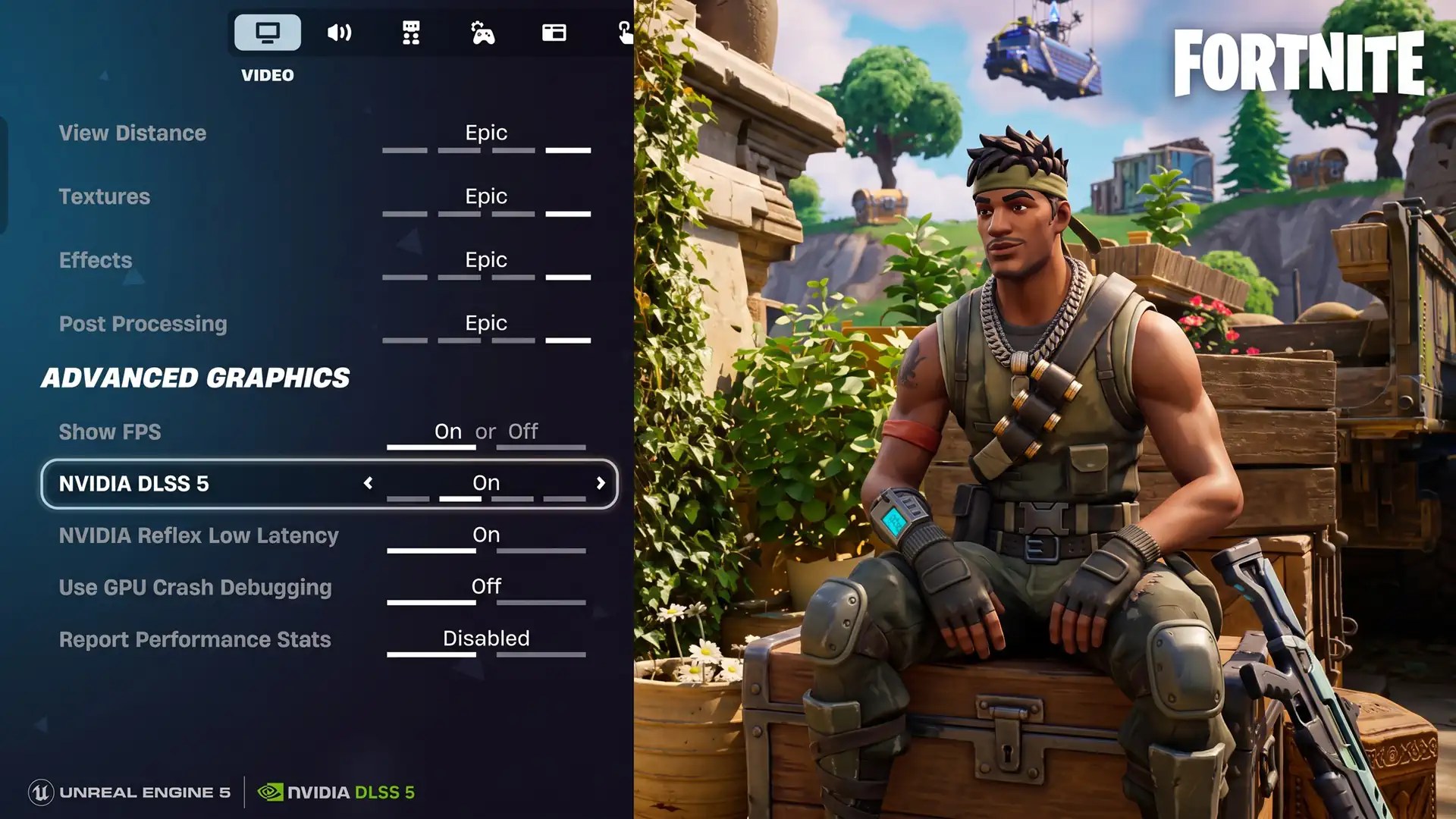
NVIDIA DLSS 5 technology with 3D-Guided Neural Rendering algorithms is currently integrated into video games as an external add-on via the NVIDIA Streamline interface. With this implementation, the engine performs a standard scene construction cycle, including geometry calculations, Lumen global illumination (Lumens), materials, and ray-tracing noise suppression. Only then are the generated buffers passed to the neural network. This architecture results in a double workload: graphics shaders first perform heavy frame calculations, and then tensor cores regenerate the final lighting, which is why the current plug-in implementation of the technology reduces frame rate by almost half.
The move to native integration within the Neural Native concept will allow developers of engines of scale Unreal Engine 5 Radically change the rendering pipeline. The engine will stop rendering frames completely and will only send raw Nanite geometry, depth maps, motion vectors, and the initial noisy light pass to the tensor cores. This will eliminate the need to create duplicate high-resolution buffers in video memory, consolidating the address space for shaders and tensor cores. As a result, the system…


