
By Gregory Zuckerman
Publication Date: 2026-02-06 15:16:00
I’ve spent years relying on VirtualBox to spin up test machines, troubleshoot software, and write about Linux. But after another round of broken kernel modules and mystery error codes, I moved my daily virtualization workflow to Virt-Manager with KVM—and I’m not looking back. The switch wasn’t about novelty; it was about reliability, performance, and a saner day-to-day experience.
Why I switched from VirtualBox to Virt-Manager on Linux
VirtualBox is friendly when everything aligns. When it doesn’t, kernel updates can leave you wrestling with DKMS rebuilds, reinstall cycles, and cryptic VERR messages. I’ve had to purge and reinstall multiple times in a single month to restore basic functionality. That’s time lost. Stability isn’t a nice-to-have when you depend on VMs to test critical workflows or demo software.
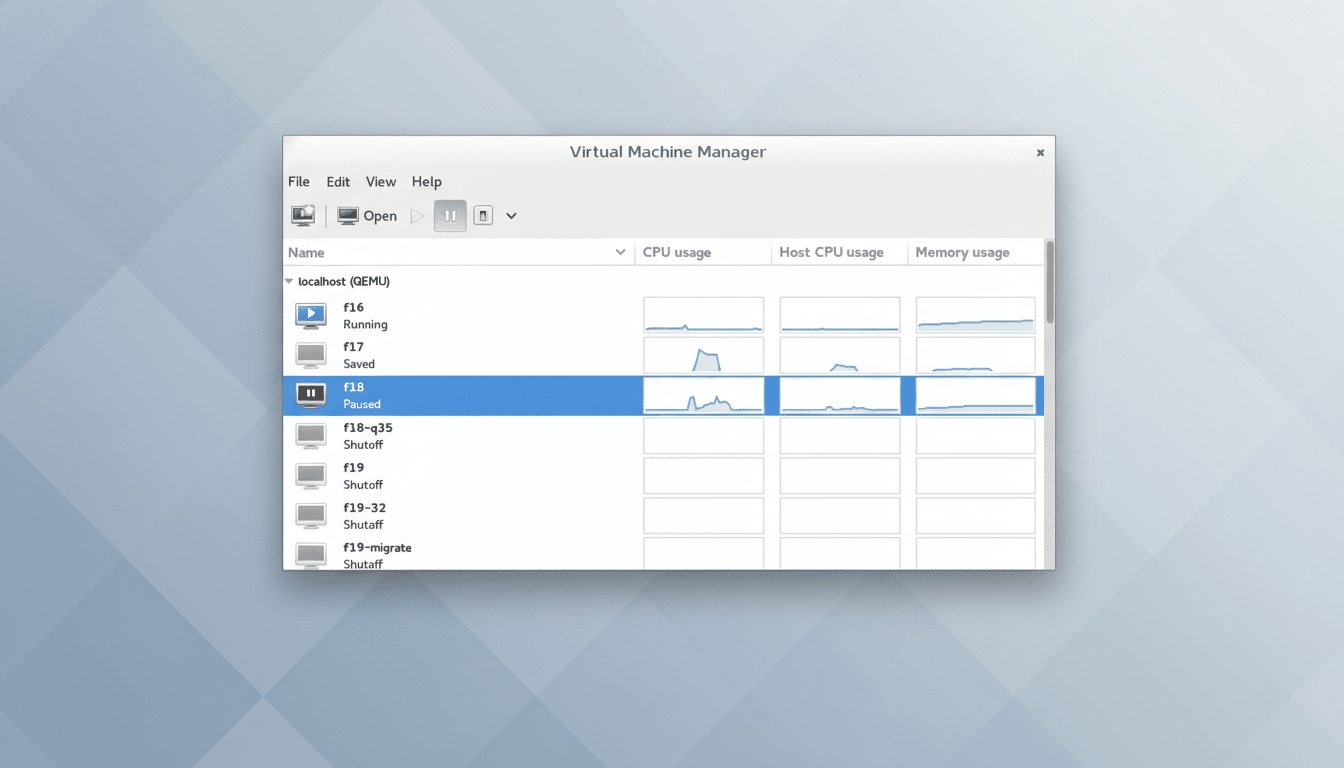
By contrast, KVM lives in the Linux kernel. It’s not an add-on; it’s part of the platform. The fewer external kernel modules I need to keep patched across updates, the fewer breakages I see after routine upgrades. Once I returned to Virt-Manager—the graphical front end for libvirt that orchestrates QEMU/KVM—the rough edges I remembered years ago had mostly vanished.
What Virt-Manager is and how KVM, QEMU, libvirt integrate
KVM, short for Kernel-based Virtual Machine, has been in the Linux kernel since the 2.6.20 era. It taps Intel VT-x and AMD-V hardware virtualization to deliver near-native CPU performance. Libvirt provides the…


