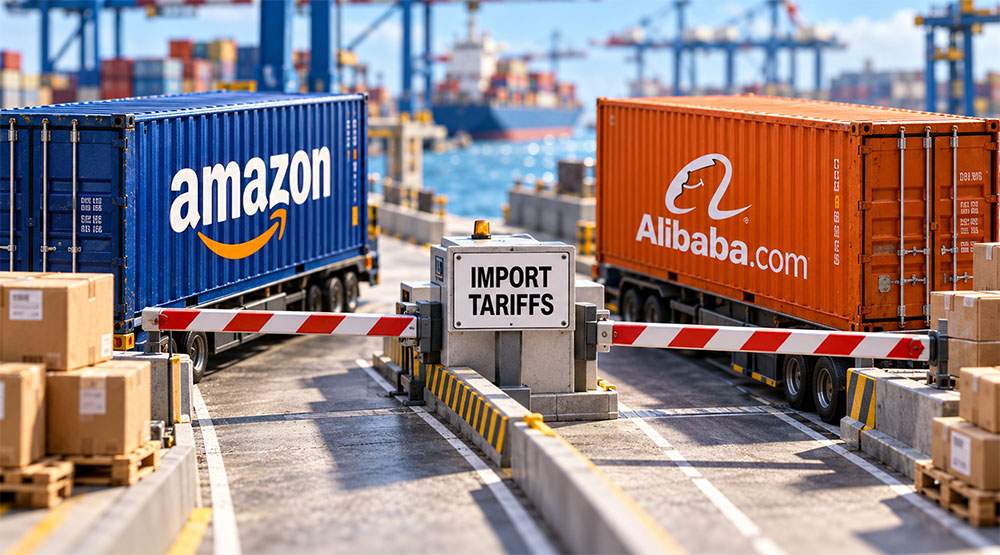
Trade rules create winners and losers, often inside one supply chain. A kitchen appliance sold on Amazon might come from a factory listed on Alibaba.com. If the U.S. adds a duty, the American merchant pays more while the Chinese manufacturer feels pressure to cut the price. Neither platform gets off unchanged.
Three distinctions matter:
- Amazon and third-party sellers carry different obligations for the inventory they import.
- Alibaba’s domestic commerce and overseas units don’t face the same exposure.
- Stock prices can react before a tariff shows up in quarterly earnings.
This analysis from Versus Trade follows those threads through policy changes and market moves. How tariffs affect Amazon and Alibaba depends on where goods travel, who brings them in, and what investors already expect from each company.
The tariff timeline after the court ruling
The Supreme Court tariff ruling on February 20, 2026, removed the legal basis for tariffs imposed under the International…
https://ritzherald.com/how-tariffs-affect-amazon-and-alibaba-same-rules-unequal-risks/


