By Shannon Carroll
Publication Date: 2026-01-08 20:56:00
AI has become rule-change-driven. Innovation still matters, and so does surviving the next update to what counts as “allowed” — on chips, on deals, on data, on deployment. In 2026, the most valuable thing in tech is no longer a model or a GPU. It’s permission — the kind you can lose between a purchase order and a shipping label.
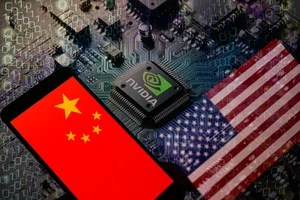
That permission now shows up in places executives used to treat as boring. Nvidia is requiring Chinese buyers of its H200 AI chips to pay in full up front, with no cancellations, refunds, or last-minute configuration tweaks, according to Reuters. In a few cases, collateral or commercial insurance can substitute for cash. It’s a payment term that doubles as an admission: Policy volatility has become a line item, and the invoice is due before the truck leaves the dock.
Then came the other kind of paperwork. China’s Ministry of Commerce said it would assess and investigate Meta’s acquisition of AI agent company Manus, pointing to compliance obligations around foreign investment, technology exports, and data transfers abroad. Manus is Singapore-based but has roots in China, and has said it has more than $100 million in annual recurring revenue — big enough to matter, small enough to be a useful test case.
The business problem underneath all of this keeps getting messier, showing up in the connective tissues that executives can’t model. The answer to “Can you…?” keeps changing. Can you sell U.S. chips — then ship them? Can…
