


By Eduardo Baptista and Liam Mo
Publication Date: 2026-05-29 09:35:00
By Eduardo Baptista and Liam Mo
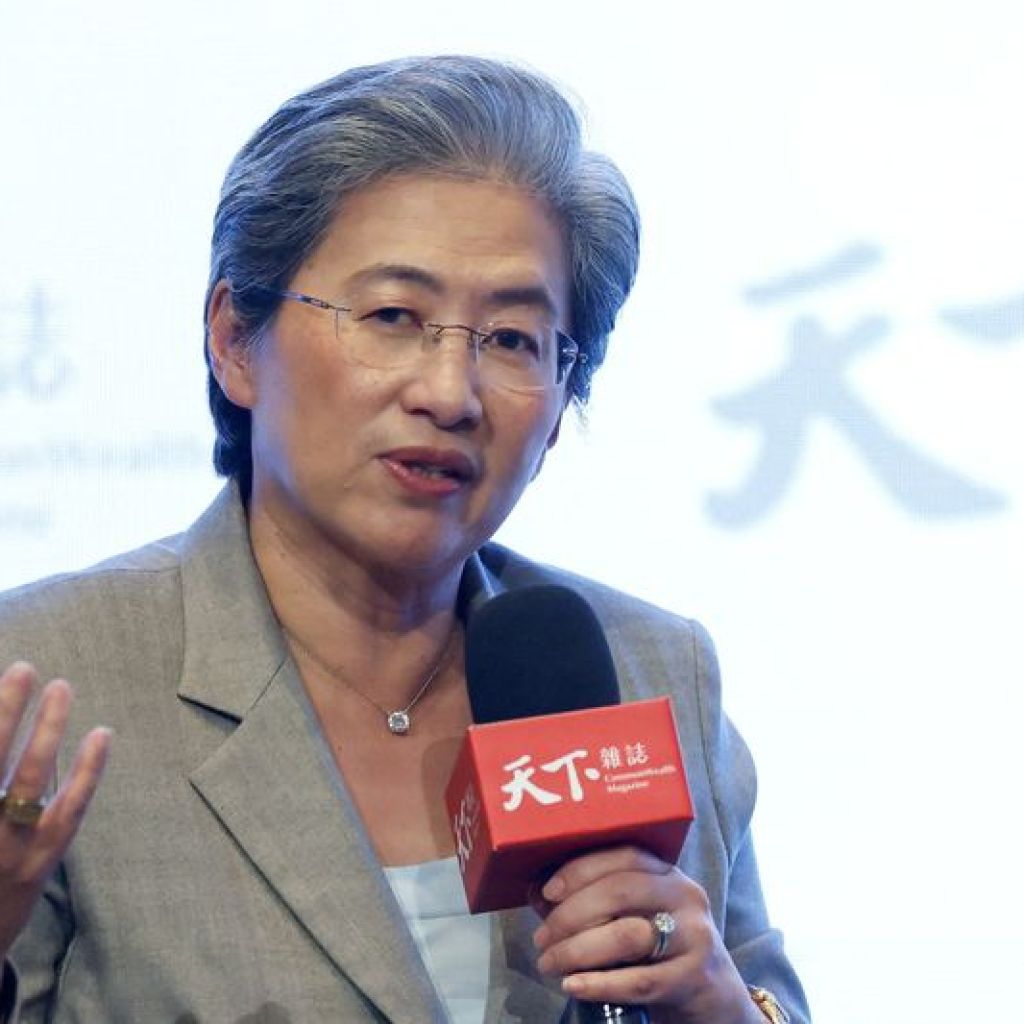
BEIJING, May 29 (Reuters) – When AMD CEO Lisa Su arrived in China last week just days after Nvidia‘s CEO left, she kept a much lower profile than Jensen Huang, who drew crowds in the centre of the capital as he posed for photos and ate local delicacies like Beijing-style soybean paste noodles.
Their contrasting approaches show two very different forms of corporate diplomacy around the world’s most politically sensitive artificial intelligence chip market, where their fortunes have also been diverging.
Just a year ago at the annual Computex trade show in Taipei, Huang said Nvidia’s market share in China had dropped to 50% from 95% due to U.S. export controls.
Since then, that has effectively fallen to zero, he said this year, amid Beijing’s push for self-reliance in advanced AI chips. Huang has previously estimated that China’s AI chip market would be worth $50 billion this year.
By contrast, AMD commands 4% of China’s AI chip market, according to IDC, a research firm, and it has more routes into the country than AI accelerators, which are Nvidia’s mainstay.
AMD can serve Chinese customers with central processing units (CPUs), consumer graphics processing units (GPUs), AI chipsets and programmable integrated circuits called FPGAs, said Lian Jye Su, chief analyst at Omdia, a tech research firm.
That gives AMD access to more types of system architecture as AI workloads spread beyond training large…